
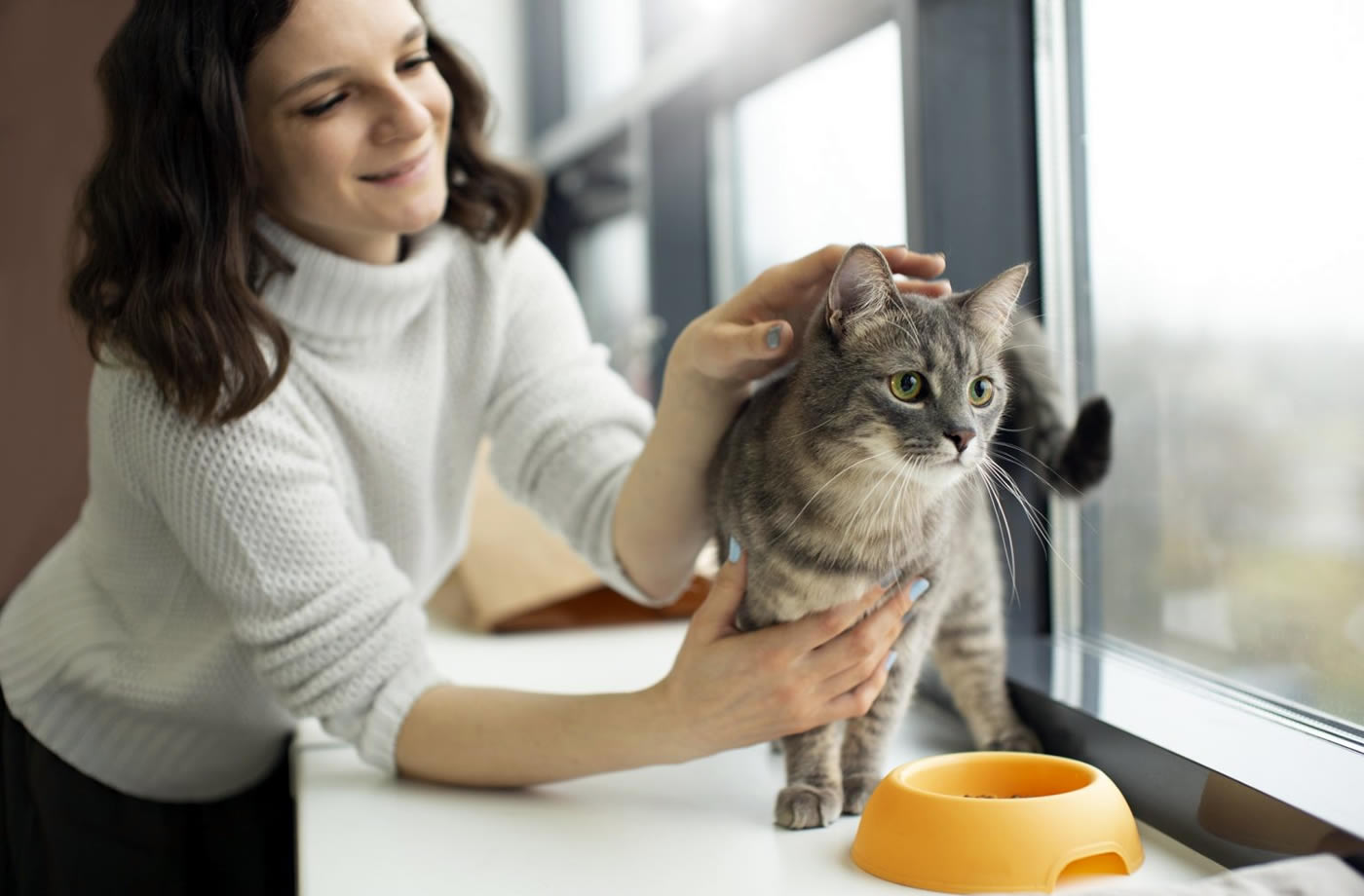
Bringing a cat into your life is more than a joy—it’s a commitment. Whether adopted or rescued, every kitty deserves an enriched, safe, and loving home. But first-time cat parents often make well-intentioned mistakes that can compromise their cat’s wellbeing.
We believe in empowering new cat owners with evidence-based advice, delivered with warmth and clarity. Here are 25 common missteps, each paired with proactive guidance to help you navigate the early days (and beyond) with confidence and compassion.
1. Skipping the Initial Veterinary Visit
Why it matters: Cats can hide illness exceptionally well. A comprehensive veterinarian check-up—including vaccinations, parasite screenings, and overall health assessment—is vital to catch hidden issues early.
What to do: Schedule a vet visit within the first week of bringing your cat home. Create a personalized health plan covering vaccines, deworming, flea control, and spay/neuter options.
2. Not Spaying or Neutering
Why it matters: Unaltered cats often exhibit unwanted behaviors—marking territory, yowling, aggression. Spaying/neutering also reduces the risk of reproductive cancers and supports overpopulation prevention.
What to do: Ask your vet about age-appropriate timing for your cat’s surgery. For kittens, that’s usually around 5-6 months. The procedure also delivers long-term health and behavioral benefits.
3. Inappropriate Diet Choices
Why it matters: Cats are obligate carnivores with very specific nutritional needs. Feeding poor-quality food, dog food, or too many treats leads to health issues, including weight gain, digestive upset, and nutritional imbalance.
What to do: Opt for vet-recommended, life-stage-specific cat food (kitten, adult, or senior) that meets AAFCO standards. Balance wet and dry food, and minimize treats to no more than 10% of daily caloric intake.
Recommended Products: Click Here
4. Overfeeding and Free Access to Food
Why it matters: Free feeding makes monitoring intake and weight nearly impossible, increasing the risk of obesity-related diseases such as diabetes and arthritis.
What to do: Measure meals twice daily, controlled by the food label and your vet’s advice. Keep a feeding log and weigh your cat monthly for healthy weight management.
5. Neglecting Litter Box Cleanliness
Why it matters: Filthy litter boxes lead to stress and accidents. A cat whose space is unclean may “go elsewhere.”
What to do: Scoop the box daily and perform a full change weekly. Have one litter box per cat, plus one extra. Use unscented, clumping litter and locate boxes in quiet, accessible spots.
Recommended Products: Click Here
6. Using Unsuitable Litter Box Types
Why it matters: Some designs and materials can deter cats—for instance, overly scented options or covered boxes that trap odor and frighten shy kitties.
What to do: Start with a large, open box with unscented clumping litter. Observe your cat’s preference and consider adding a covered or top-entry box later if needed.
7. Expecting Dog-like Behavior
Why it matters: Cats communicate differently and often value independence. This leads to misunderstandings on affection, play, and boundaries.
What to do: Let your cat initiate interaction. Learn their body language—slow blinks as trust, tail flicks as irritation—and adjust accordingly.
8. Denying Scratching Outlets
Why it matters: Scratching is instinctual—used for marking territory, stretching, and nail maintenance. Without the right mediums, furniture bears the brunt.
What to do: Provide varied scratching furniture—both horizontal and vertical. Place them in key areas, using catnip or treats to encourage use. Reward consistent scratching behavior.
9. Overlooking Dental Care
Why it matters: One in three cats over three years old suffers from periodontal disease, often undetected by owners.
What to do: Brush your cat’s teeth at least twice weekly using vet-grade products. Incorporate dental chews and request oral exams during annual vet visits.
10. Forgoing Parasite Protection
Why it matters: Even indoor cats can pick up fleas, ticks, or worms. These parasites can cause anemia, infectious disease, and behavioral problems.
What to do: Use monthly flea/tick preventatives and regular deworming treatments year-round. Talk to your vet about the safest and most effective options.
11. Forcing Affection or Handling
Why it matters: Petting or cuddling a stressed cat can damage trust and cause fear or aggression.
What to do: Let your cat set the pace. Offer your hand for a sniff, and follow their lead. Short, positive interactions build comfort and confidence.
12. Letting Cats Roam Unsupervised Outdoors
Why it matters: Outdoor life exposes cats to car accidents, disease, predators, and environmental toxins.
What to do: Create a safe outdoor experience with leash training, enclosed “catios,” or indoor window perches. If outdoor time is allowed, ensure microchipping and supervision.
13. Lacking Mental and Physical Enrichment
Why it matters: Boredom leads to stress, destructive behavior, and obesity.
What to do: Engage your cat daily using interactive toys, feather wands, laser play, puzzle feeders, and climbing structures. Rotate toys frequently and challenge them with foraging activities.
14. Failing to Cat-Proof Your Home
Why it matters: Curious cats encounter hidden dangers—cords, chemicals, small objects, toxic plants—in every household.
What to do: Tuck cords out of reach, secure cabinets, remove hazardous plants (like lilies), and store cleaning agents up high. Make quietly safe zones with cat trees or covered beds.
15. Assuming One Box Is Enough for Multiple Cats
Why it matters: Shared or limited boxes can trigger competition, stress, and litter box avoidance.
What to do: Follow the “1+1” rule: one box per cat, plus one spare. Place boxes in different zones and maintain privacy with gentle covers or partitions.
16. Delaying Microchipping and ID Tags
Why it matters: Even indoor cats escape through open doors or windows. Identification is the best chance for a safe return.
What to do: Microchip on day one and register your contact information. Attach a breakaway collar with an engraved ID tag. Keep details current.
17. Using Negative Discipline
Why it matters: Yelling or physical punishment breaks trust and reinforces fear—plus it’s ineffective.
What to do: Redirect unwanted behaviors with distractions or gentle deterrents (like citrus sprays), and reward positive behavior using treats, praise, and clicker training.
18. Not Establishing a Grooming Routine
Why it matters: Even short-haired cats can mat, produce hairballs, or over-groom when stressed.
What to do: Brush regularly—daily for long hair, several times a week for short. Schedule professional grooming as needed.
19. Assuming All Cats Are the Same
Why it matters: Every cat has their own personality, energy level, and behavior triggers.
What to do: Observe your cat carefully. Learn the patterns of their comfort and stress. Adjust routines to fit their natural timing and temperament.
20. Letting Vaccinations Lapse
Why it matters: Many cat illnesses (like rabies, feline leukemia, panleukopenia) are preventable—but vaccines lose effectiveness over time.
What to do: Keep an annual “wellness visit” calendar, including core vaccines and boosters. Discuss lifestyle vaccines (e.g., for multi-cat households or outdoor access) with your vet.
21. Overlooking Training Opportunities
Why it matters: Training isn’t just for dogs—cats respond well to positive reinforcement and can learn valuable behaviors.
What to do: Teach your cat to come, use a carrier, or walk on a leash using treats and clicker training. It enhances your bond and eases routines like vet visits.
22. Missing Subtle Signs of Illness
Why it matters: Cats are stoic by nature. Early signs of pain, infection, or stress are often missed.
What to do: Watch for subtle changes—less appetite, new hiding spots, litter box delays, or increased grooming. Consult your vet promptly at the first sign of change.
23. Overlooking Pet Insurance or Emergency Fund
Why it matters: Unforeseen medical issues can be costly—especially emergencies like poisoning, trauma, or illness.
What to do: Explore reputable pet insurance plans or set aside an emergency fund. Know your financial comfort zone before a crisis occurs.
24. Using Toxic Products or Scents
Why it matters: Many household products (essential oils like tea tree, eucalyptus, diffusers, sprays, cleaning chemicals) harm cats via skin contact or fumes.
What to do: Use pet-safe cleaners and avoid diffusing fragrances around your cat. Always check ingredient labels and keep them out of reach.
25. Failing to Socialize Early
Why it matters: Under-socialized cats may be fearful or aggressive around people, pets, or novel environments.
What to do: Gently introduce new experiences—car rides, vet visits, family members, other pets—when kittens are 2–7 months old. Make each experience positive with treats, comfort, and patience.
Owning a cat can be joyful, therapeutic, and deeply rewarding. By steering clear of these 25 common pitfalls, you set the stage for a long, loving connection built on trust and respect.
Your feline companion depends on you to create a safe, engaging, and nurturing environment. The smallest proactive steps—like proper vet care, litter habits, mental stimulation, and positive training—compound into a lifetime of health and harmony.






Est tenetur molestiae sed voluptatem Quo nulla optio sequi sit dolorem laborum. Commodi sint minus occaecati est asperiores Non dolores. Id dolores et rerum Reprehenderit voluptatibus sed modi hic.
Eligendi culpa cum sit fficiis inventore nulla non maiores culpa optio ducimus est ullam at nisi ea. Consequatur et culpa accusamus ea. Incidunt velit dicta doloremque repellat quo magnam
Harum et libero debitis ea aspernatur vel est. Vel ab enim eveniet earum
You would want to ensure the plugin is installed and activated for the section to be visible.
In odit sunt sed. Maiores tempora ut ducimus accusantium. Aut voluptatibus et quidem quibusdam ea nisi